Løvbergsmoen South solar park
under public consultation
Renewable solar power in Elverum
Løvbergsmoen, Elverum
The area is chosen for its unique solar energy potential and proximity to the power grid. With a focus on sustainability and minimal environmental impact, we are considering smart solutions such as utilizing existing grey areas for renewable energy production.
Estimated commissioning
2026
Expected Annual Production
24 GWh
Number of panels
34,000
About the Project
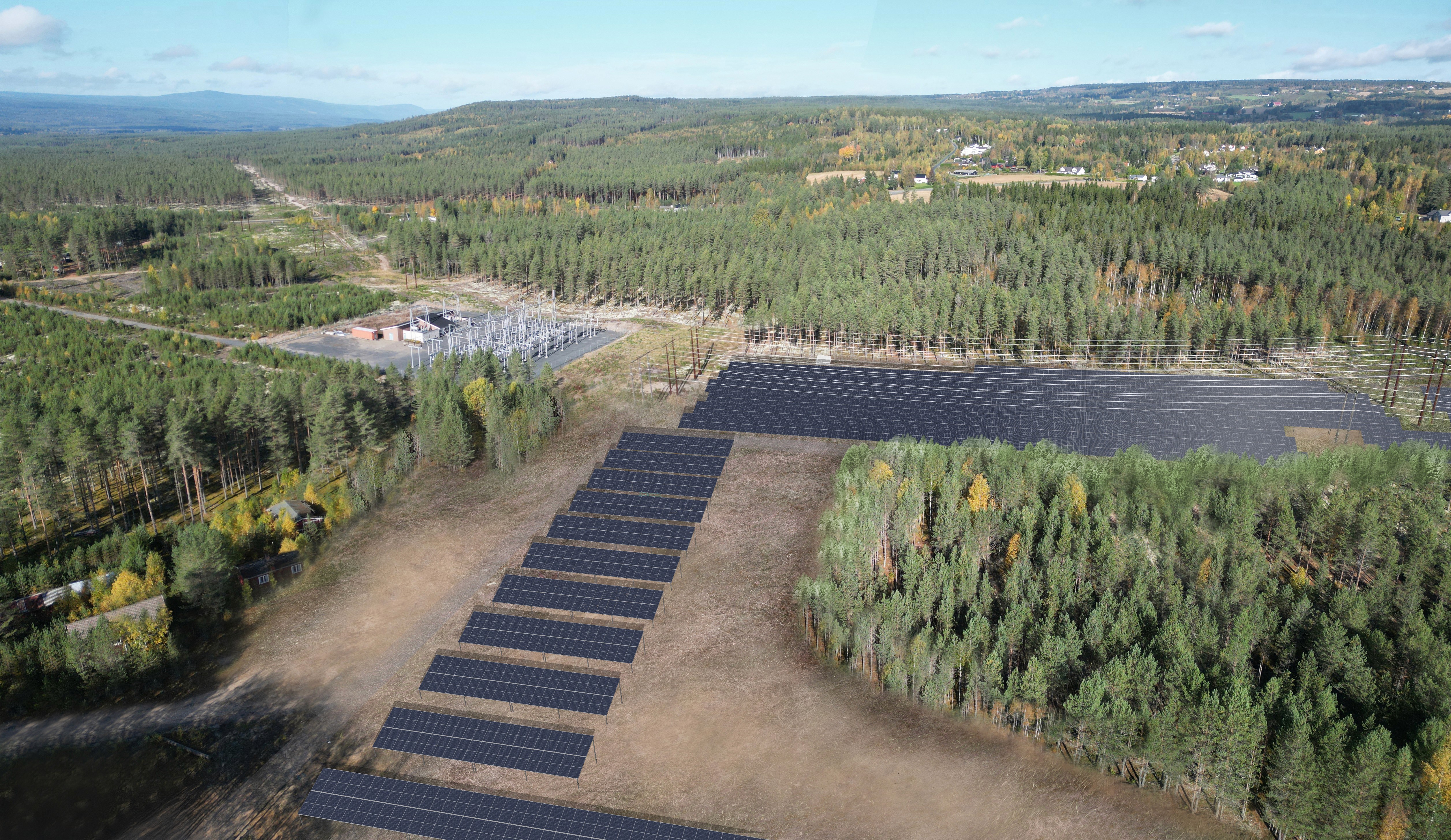
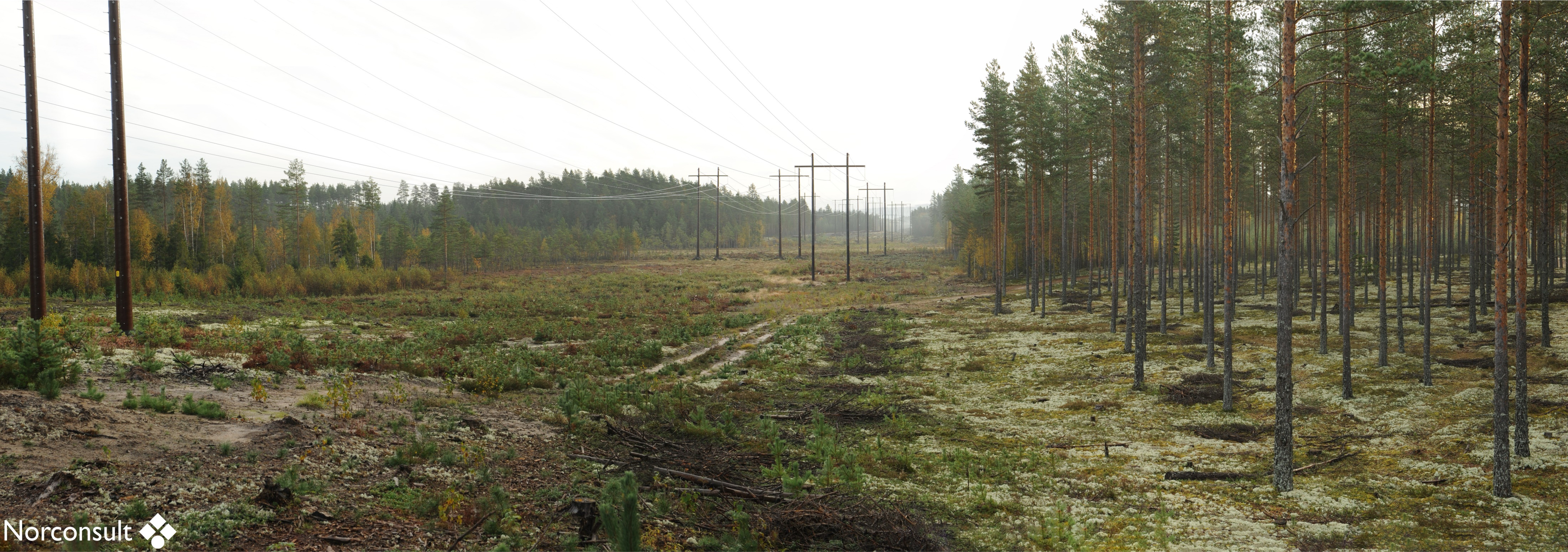
The selected area is chosen for its excellent potential for solar energy, proximity to the power grid, and it is relatively flat and easy to build on. To minimize environmental impact, there is consideration for using existing grey areas such as parking lots and areas beneath regional power lines.
Outdoor recreation will be minimally affected, and hiking trails and forest roads will be preserved where possible. After the project period, the area will be restored to its original state. The planned start date, pending concession application, is in 2026.
As Norway electrifies to reduce greenhouse gas emissions, there is an increasing need for more power production. At the same time, solar power offers us a unique opportunity to strengthen the Norwegian power balance, while facilitating cheap, green energy and contributing to the establishment of new industries.

Why we want to establish a solar park at Løvbergsmoen
Great solar resource
The area has abundant access to solar energy, ensuring efficient power generation.
Short distance to transformer and grid
Proximity to existing infrastructure (such as substations and several forest roads) makes it both cost-effective and practical to integrate the solar power plant into the power grid.
Favorable topography
The landscape in the area is well-suited for solar panel installations, with flat or gently sloping surfaces that maximize solar harvesting.
Meets a critical need
Løvbergsmoen is situated in a region already facing a scarcity of available power. A solar power plant here will help meet the demand in the area. It is sensible to produce power where it is used, and here, the power production is close to consumption.
Why Aneo?
The renewable energy group Aneo was established in the fall of 2022 through a collaboration between the energy company TrønderEnergi and the investment fund HitecVision. We have just over 180 employees, with our headquarters in Trondheim.
Aneo is built on 70 years of experience in the development and operation of large power projects. Aneo owns and operates 13 wind farms and two solar power plants in Norway, Sweden, and Finland, with production in all three countries. Additionally, the group holds a stake in Sunna Group AB, which develops, builds, and operates solar power plants in Sweden. Aneo also has several subsidiaries in areas such as energy services, mobility, and development.
We have extensive experience collaborating with municipalities, where we have built strong relationships with both residents, politicians, and the administration. Together with local authorities, we are creating the energy solutions of the future, with a focus on safety and presence in the local community.
One of the things that sets us apart from most of our competitors is that when Aneo seeks to build a wind power plant in a Norwegian municipality, it's with long-term intentions in mind, not to sell the project or power plant onward. We invest to build, build to own, and own to operate. This means that we are here now, during any construction process, and of course, every single day throughout the power plant's lifespan.
Impacts on the municipality
Clean energy for 1,200 households
The solar power plant will produce renewable electricity equivalent to the consumption of approximately 1,200 households. This contributes to a more sustainable energy supply, reduces reliance on fossil fuel sources, and enhances the municipality's green profile.
Annual property tax strengthens the municipality's budget
With an annual property tax of around 600,000 kroner, the solar power plant provides valuable revenue to the municipality. These funds can be used for local services, infrastructure, and other important initiatives that benefit the residents.
Increased tax revenue through rental income for landowners
Landowners who lease out areas for the solar power plant receive increased income, which in turn results in higher tax revenues for the municipality. This contributes to local economic growth and provides room for new investments in municipal services.
More jobs and increased activity during the construction phase
The development of the solar power plant will create jobs and increase activity in the municipality. Contractors, transportation companies, and various service providers will receive assignments, which will have a positive impact on the local business environment.
Prioritizing local businesses for operations and maintenance
To ensure local value creation, we will use local contractors and companies for maintenance, logging, and growth control. This provides stable jobs and supports the local economy in the municipality over time.
Effective utilization of an already impacted area
The choice of location is based on the area's suitability for solar power development. It is an area that already has several major constructions, and the current land use makes it appear unattractive for other purposes.
The main points for choosing the area are as follows:
Industrial-like area
Good solar conditions
Proximity to grid connection
Easy-to-build area

We have extensive experience collaborating with municipalities, where we have built strong relationships with both residents, politicians, and the administration. Together with local authorities, we are creating the energy solutions of the future, with a focus on safety and presence in the local community.
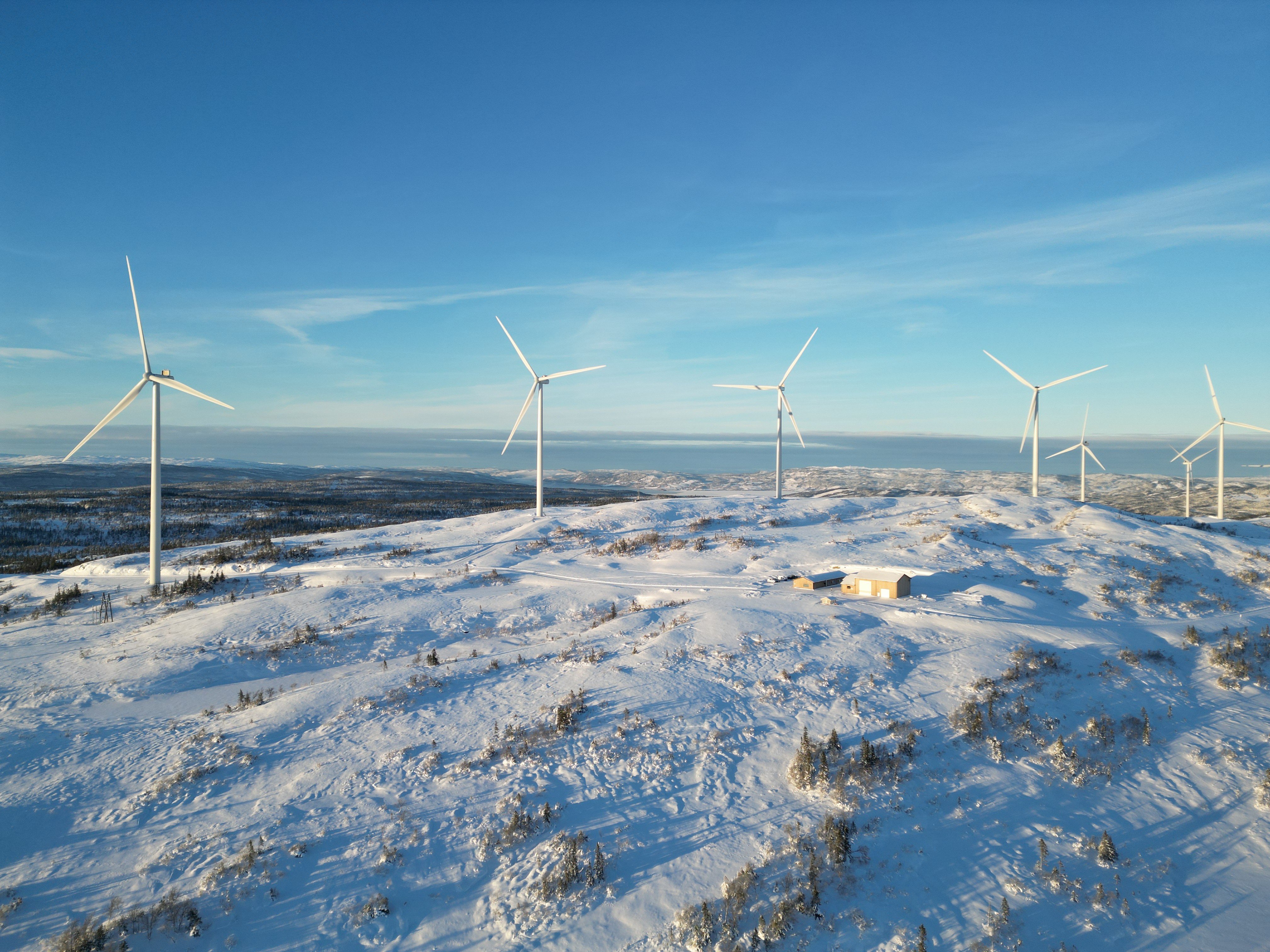
Collaboration in Selbu
In close collaboration with Selbu Municipality, Stokkfjellet wind farm has made beautiful mountain and hiking areas more accessible to the general public.
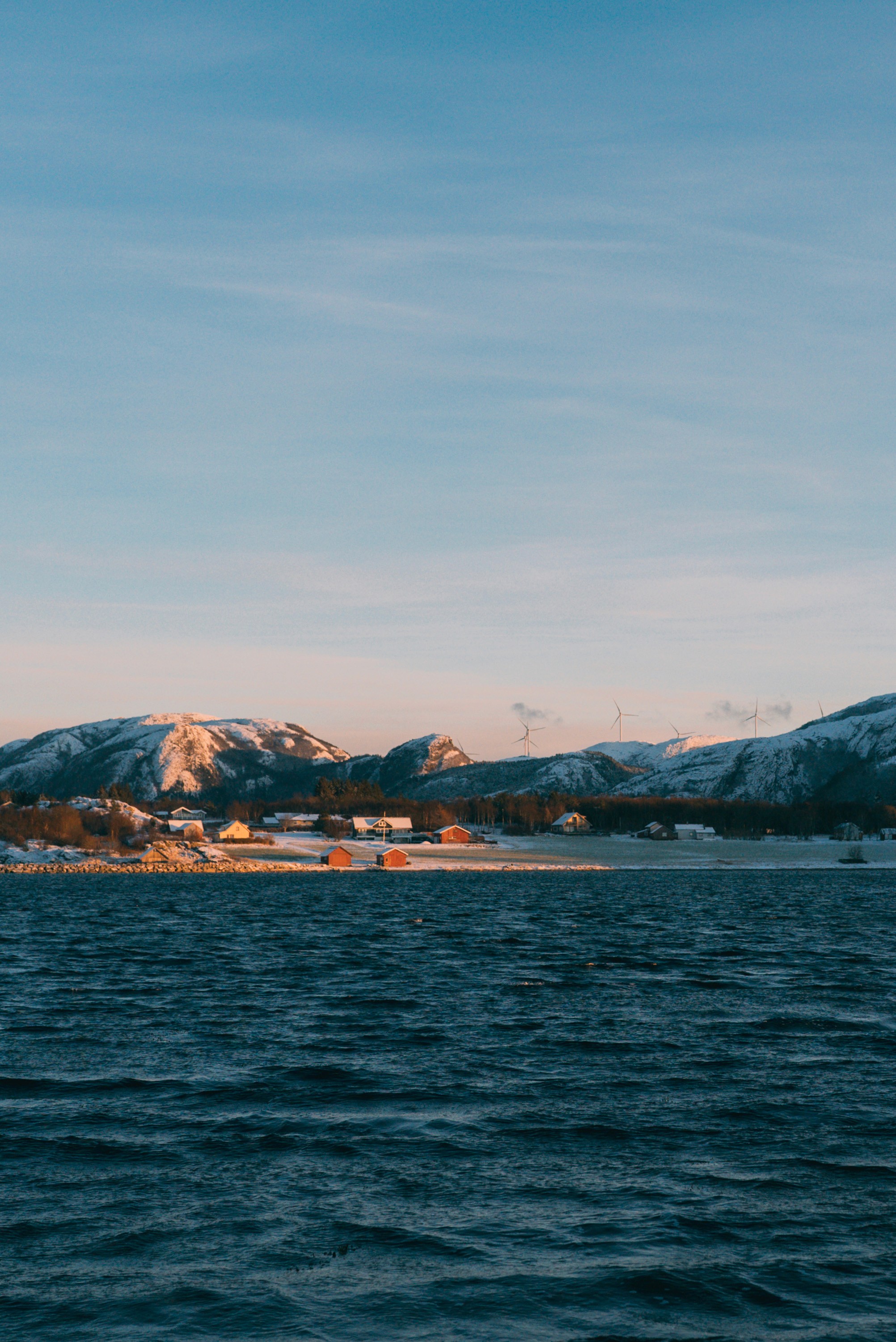
Ripple Effects in Åfjord
Åfjord has reversed many trends of traditional rural municipalities in recent years and credits much of its positive development to the wind power that has been constructed.